Kids learn fastest and best not by struggling alone or being handed the answer, but in the Zone of Proximal Development, the space where they can accomplish a task with just a little guidance from someone slightly ahead of them. Asking a kid "What do you think?" instead of giving them the answer turns passive waiting into active, lifelong discovery.
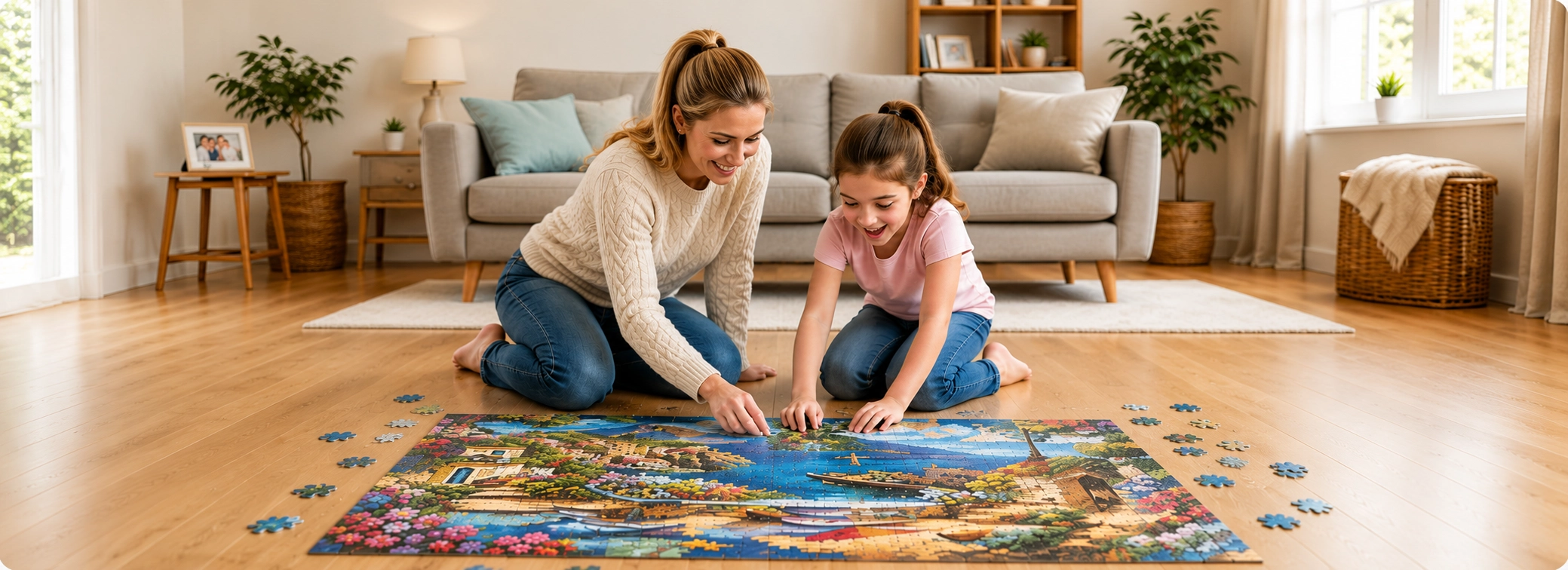
Watch a four-year-old try to complete a puzzle alone. They'll get so far, maybe the edges, and then slow down, try random pieces, get frustrated, and give up or start over. Now sit beside them and say one thing: "What if we look for pieces with the same color first?" Suddenly they're flying.
Nothing about the puzzle changed. Nothing about the kid's intelligence changed. What changed was the presence of someone slightly ahead of them, offering not answers, but a nudge in the right direction. And that nudge made all the difference.
The Gap Between What They Can Do Alone and What They Can Do With Help
Every kid has two edges to their ability. There's what they can do completely independently. And there's what they can do when guided by someone who knows a little more than they do. The space between those two edges, what researchers call the Zone of Proximal Development [1], is where almost all real learning happens.
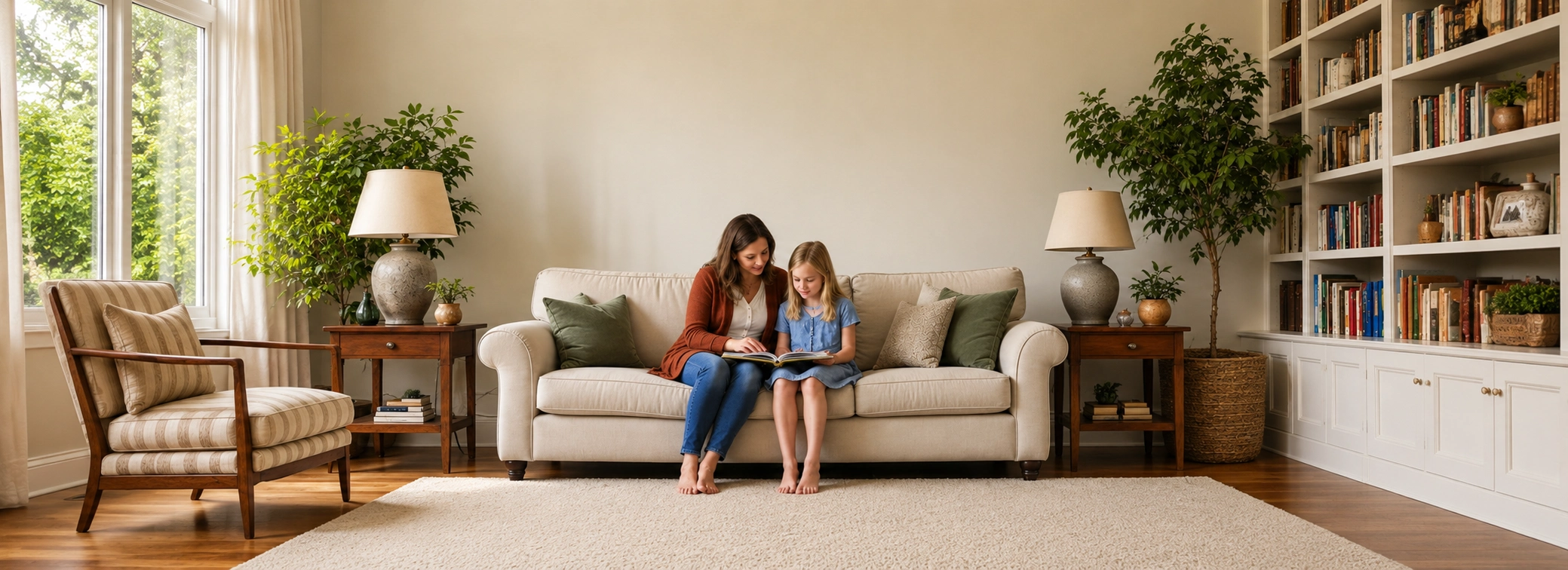
It's not the things that are too easy that stretch a kid. And it's not the things that are impossibly hard that teach them. It's the things that are just slightly out of reach, and that they can get to with the right kind of support. This is why a kid who can't read alone can read beautifully when someone reads every other sentence with them. The scaffolding [2] carries them until they don't need it anymore.
“Kids don't grow in isolation. They grow in relationship, with people, ideas, and questions that are just one step ahead of where they are.”
Why Play Is the Most Serious Thing a Kid Does
When kids play, really play, not just watch. They are rehearsing the world. The kid playing "teacher" is practicing authority, patience, and explanation. The kid playing "family" is working out roles, relationships, and emotional dynamics. The kid building a tower is doing physics, spatial reasoning, and risk assessment simultaneously.
Play that involves other people, a parent, a sibling, a guided companion, is even richer. It introduces language the kid wouldn't have reached alone. It models how to handle problems. It shows them, in real time, how a slightly more experienced mind approaches a challenge.
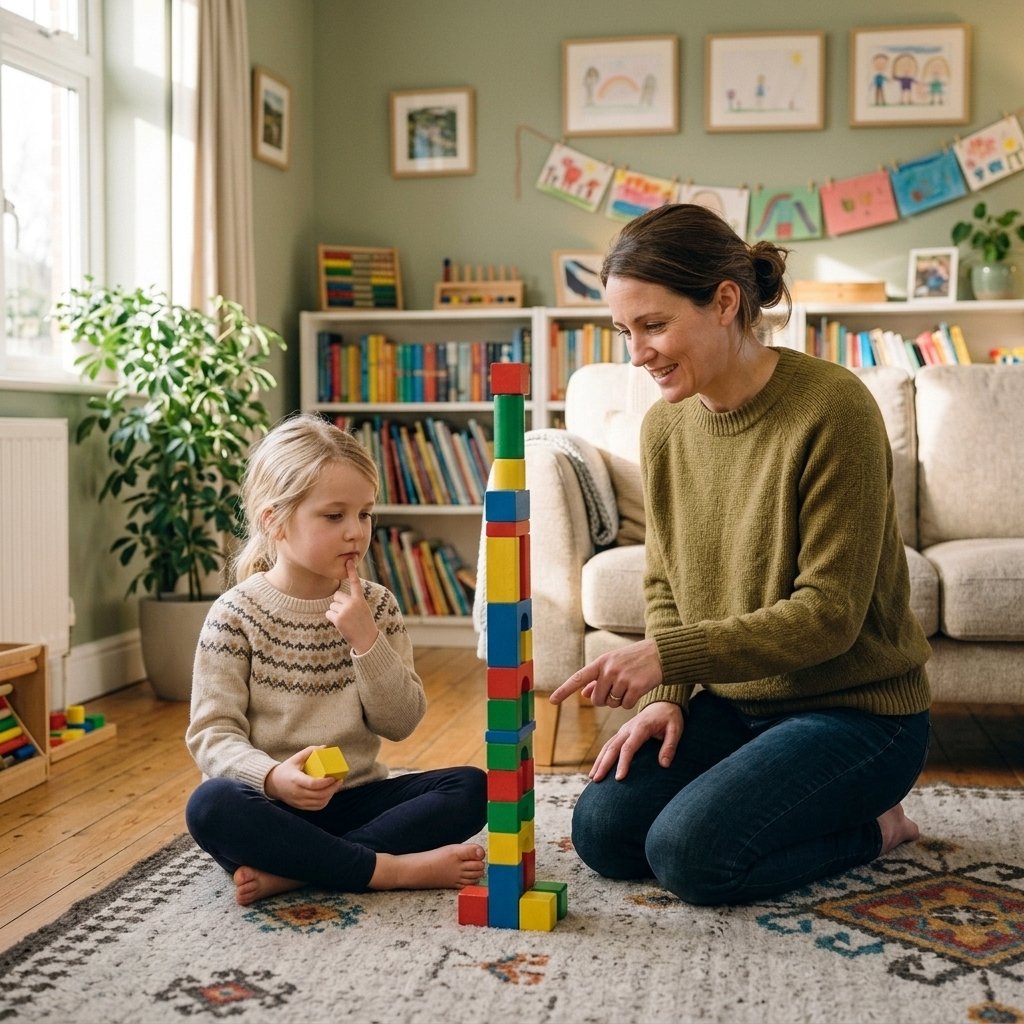 Play is how kids run experiments on the world, with language, roles, and ideas they could not reach alone.
A MOMENT YOU MIGHT RECOGNIZE
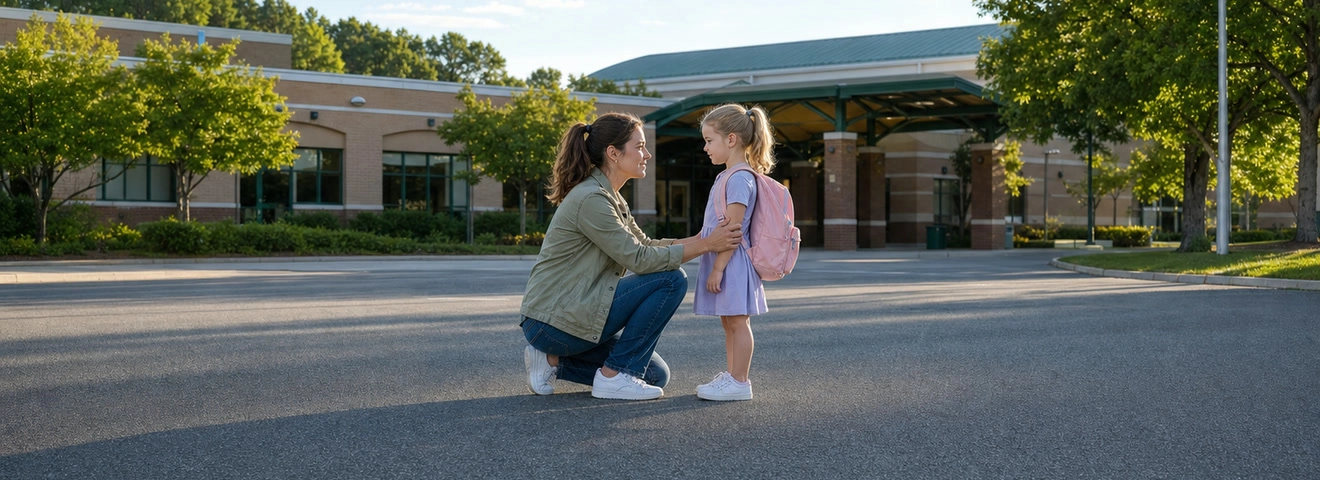
Your six-year-old asks why airplanes stay in the sky. You could give them the full explanation of lift and air pressure. But instead you ask: "What do you think?" They guess, wings push air down, maybe? You build on it. Twenty minutes later they've worked out most of the answer themselves. They'll remember it forever, because they found it.
Help Shape the Future of Active Learning
Join our exclusive Founding Member program. Get early access to new interactive modules, direct input into our product roadmap, and lifetime pricing options.
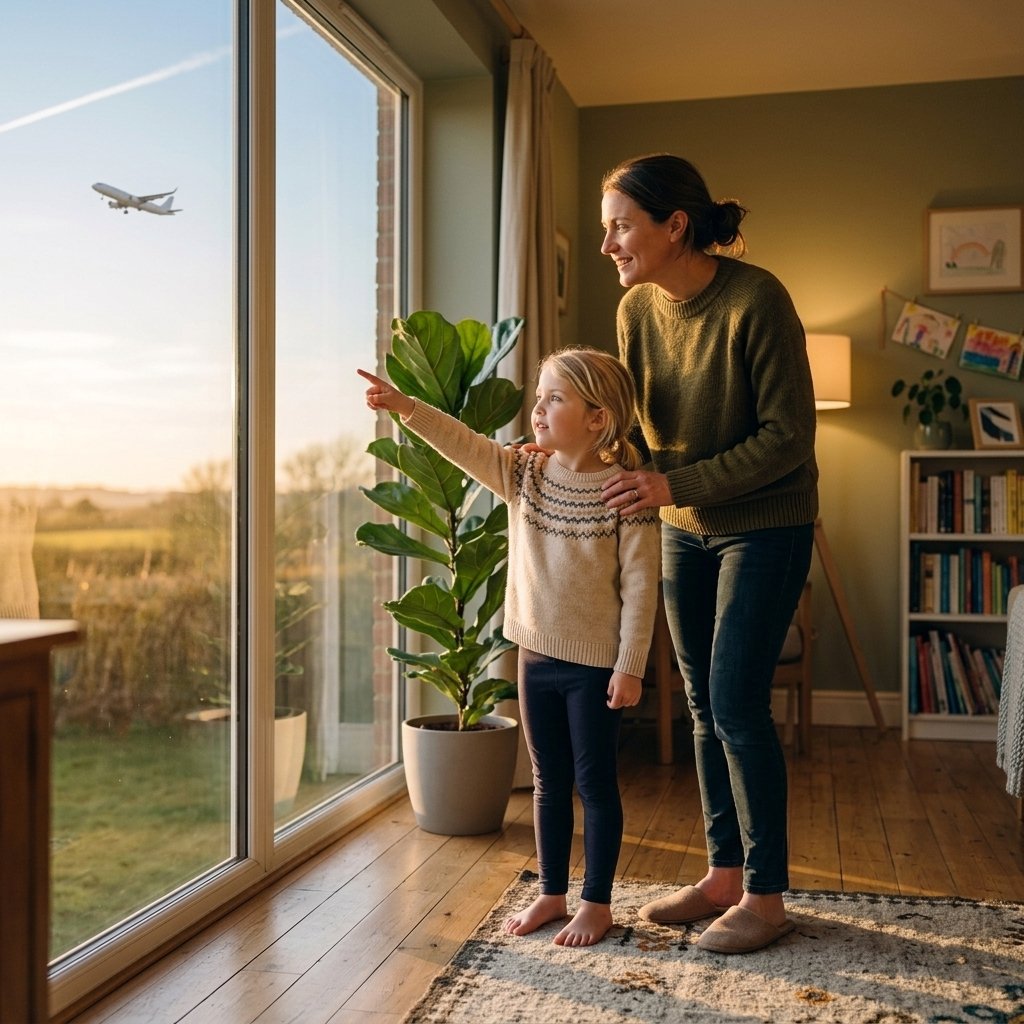 The pause before the answer is where the learning happens.
The Question That Teaches More Than the Answer
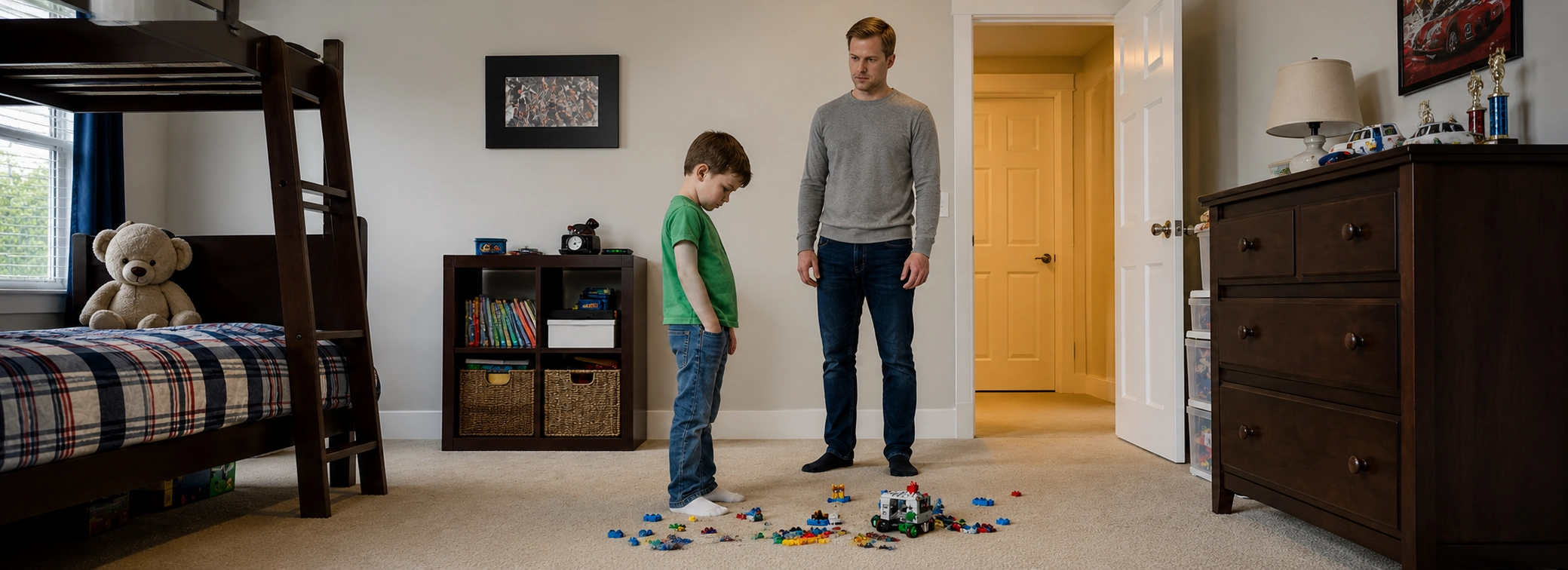
One of the most powerful things an adult can do for a kid's learning is resist answering. Not out of withholding, but out of genuine curiosity. "What do you think?" and "How could we find out?" are among the highest-value sentences you can offer a kid between three and nine. They signal that the kid's thinking matters. That discovery is a process, not just a result.
Kids who grow up being asked what they think become kids who trust their own thinking. That is a profoundly different foundation than kids who learn to wait for someone else to provide the answer.
Is Your Kid's Screen Time Active or Passive?
Most screens capture a kid's attention without checking their understanding. Take our 2-minute diagnostic quiz to evaluate your kid's digital patterns, identify autoplay traps, and receive actionable insights to maximize active learning.
Start Screen Time & AI Quiz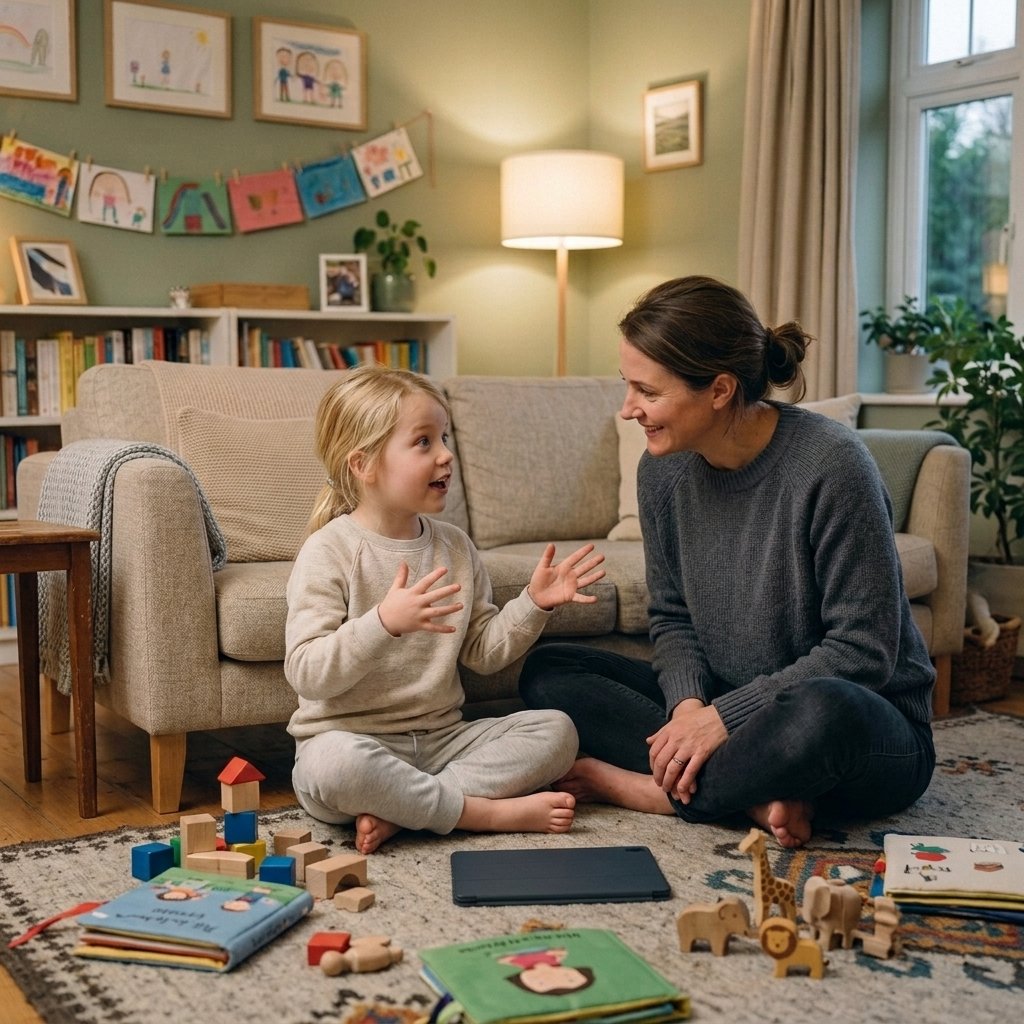 Learning is social, the richest growth happens in back-and-forth, not one-way watching.
What Happens When a Kid Has Something to Think With
The richest learning environments for kids at this age aren't the ones with the most content. They're the ones with the most interaction, back-and-forth, question-and-response, try-and-adjust. This is why a conversation with a curious kid goes further than any video they could passively watch. Learning is fundamentally social [3]: kids develop higher-order thinking through guided interaction with more knowledgeable others, in the zone where scaffolding meets curiosity [4].
FOR PARENTS
What if your kid's questions always got a real answer, at their exact level?
Aiino's Play Buddy is an interactive 3D AI companion that responds to kids's questions about the models they explore, rockets, animals, oceans, space, and more. It doesn't give lectures. It has conversations. It meets kids at exactly their level and nudges them one step further, which is precisely how kids learn best.
Research Citations
- [1]The zone of proximal development is the gap between what a kid can do alone and what they can do with guidance from a more knowledgeable other, and is where learning happens (Vygotsky, Mind in Society, 1978). Simply Psychology. View source →
- [2]Scaffolding is temporary, calibrated support from a more skilled partner that lets a novice achieve what they could not alone, then is gradually withdrawn (Wood, Bruner & Ross, 1976). Journal of Kid Psychology and Psychiatry (ERIC). View source →
- [3]Learning is fundamentally social: kids develop higher-order thinking through guided interaction with more knowledgeable others (Vygotsky's sociocultural theory). Simply Psychology. View source →
- [4]The ZPD describes a kid's developmental potential across time, while scaffolding is the instructional means used to support learning within it. Structural Learning. View source →