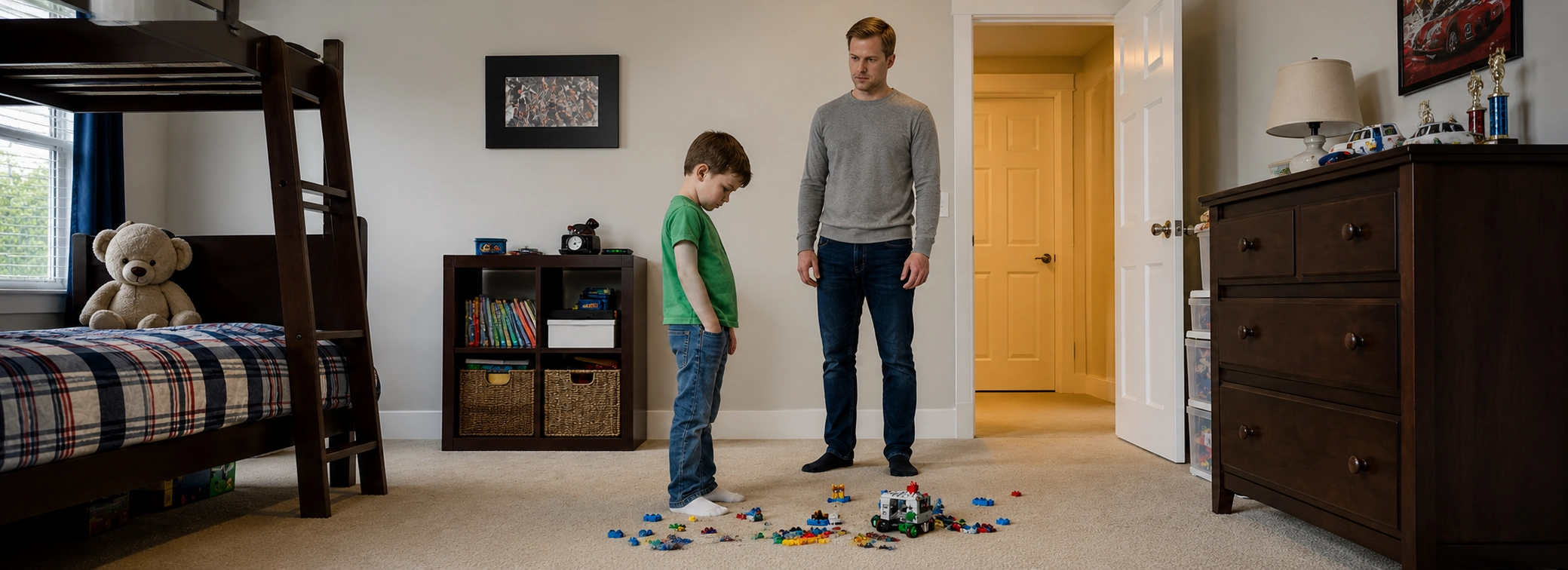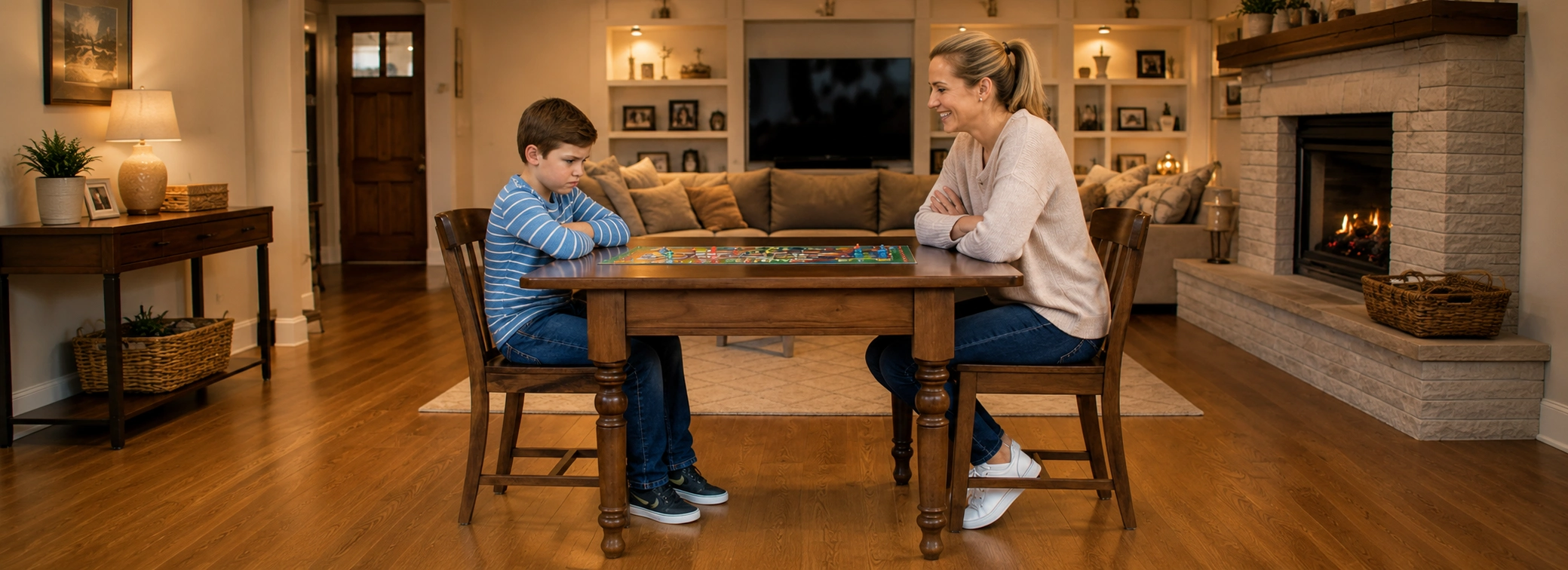
If your child cries easily, over a lost game, a friend's words, a small no, you may wonder if it's too much, or something to fix. In the large majority of cases, it's neither: it's normal, and it's tied to how young brains are built. The part of the brain that lets adults pause and size up a reaction is still developing under age nine, so the feeling arrives at full force before the brake is ready. Sensitive kids aren't being dramatic, their feelings really do land that hard. And that same wiring often grows into empathy, creativity, and emotional smarts. What decides whether sensitivity becomes a strength or a wound is mostly how the adults around them respond: meet the feeling with warmth first, and reassure second.
A friend didn't want to play with them at lunch. Tears. Their drawing didn't turn out the way they pictured. Tears. You said no to ten more minutes of TV. More tears. You love your child deeply, but you're starting to wonder whether this much emotional sensitivity is normal, or whether something needs to be addressed. The answer, in the vast majority of cases, is: it's completely normal. And it's temporary in the way that all developmental stages are temporary.
Why the feeling arrives before the brake
The part of the brain that lets adults pause before reacting, weigh how much something really deserves, and dial a response up or down is genuinely underdeveloped in children under nine. The emotion arrives at full force. The system that would normally soften it is still being built. So the crying isn't out of proportion to how your child is experiencing the moment, it's exactly in proportion to a nervous system that doesn't have a dimmer switch yet.
“A sensitive child isn't too emotional. They're fully emotional, and they need adults who can hold that without making them feel broken for it.”
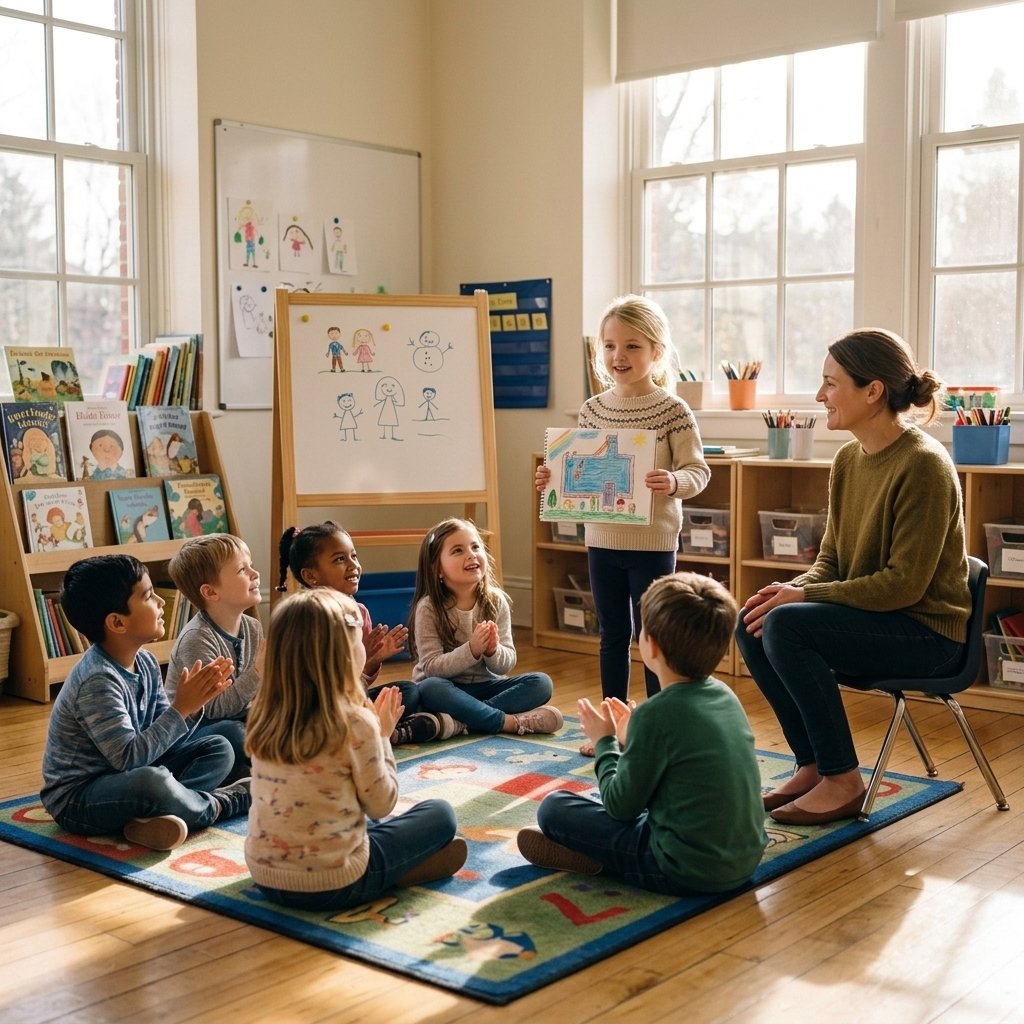 The crying isn't out of proportion, it's exactly in proportion to a nervous system that doesn't have a dimmer switch yet.
Sensitivity is a feature, not a flaw
Children who cry easily are often the same children who notice when someone else is sad, who feel deeply connected to stories and characters, who care intensely about fairness and belonging. Sensitivity is a real, well-documented trait: some kids simply take in the world more deeply. The wiring that produces tears at five often becomes empathy, creativity, and emotional intelligence by fifteen. The tears are just one early expression of it.
 The tears and the kindness come from the same place, a system that feels things deeply.
How your response shapes what sensitivity becomes
What decides whether this sensitivity becomes a strength or a wound is largely how the adults around the child respond. Sensitive children are especially shaped by their environment, for better and for worse. Met consistently with warmth ('I can see that really hurt'), they learn that feelings are manageable and safe to have. Met with frustration or dismissal, they learn to hide their feelings, which doesn't make the feelings smaller, only less visible.
A MOMENT YOU MIGHT RECOGNIZE
Your seven-year-old cries because you're leaving for work. You've left for work a hundred times. You know they'll be fine. But the tears are real, and underneath them is something like: I love you, and I miss you before you've even gone. That's not drama. That's depth.
Help Shape the Future of Active Learning
Join our exclusive Founding Member program. Get early access to new interactive modules, direct input into our product roadmap, and lifetime pricing options.
What helps
Acknowledge before you reassure. 'That really hurt your feelings' before 'but it'll be fine' gives your child a moment of being seen before they're moved along. That moment matters more than you'd think, it's what teaches them that emotions are survivable, because someone stayed with them in it. Reassurance still comes; it just works better once the feeling has been met.
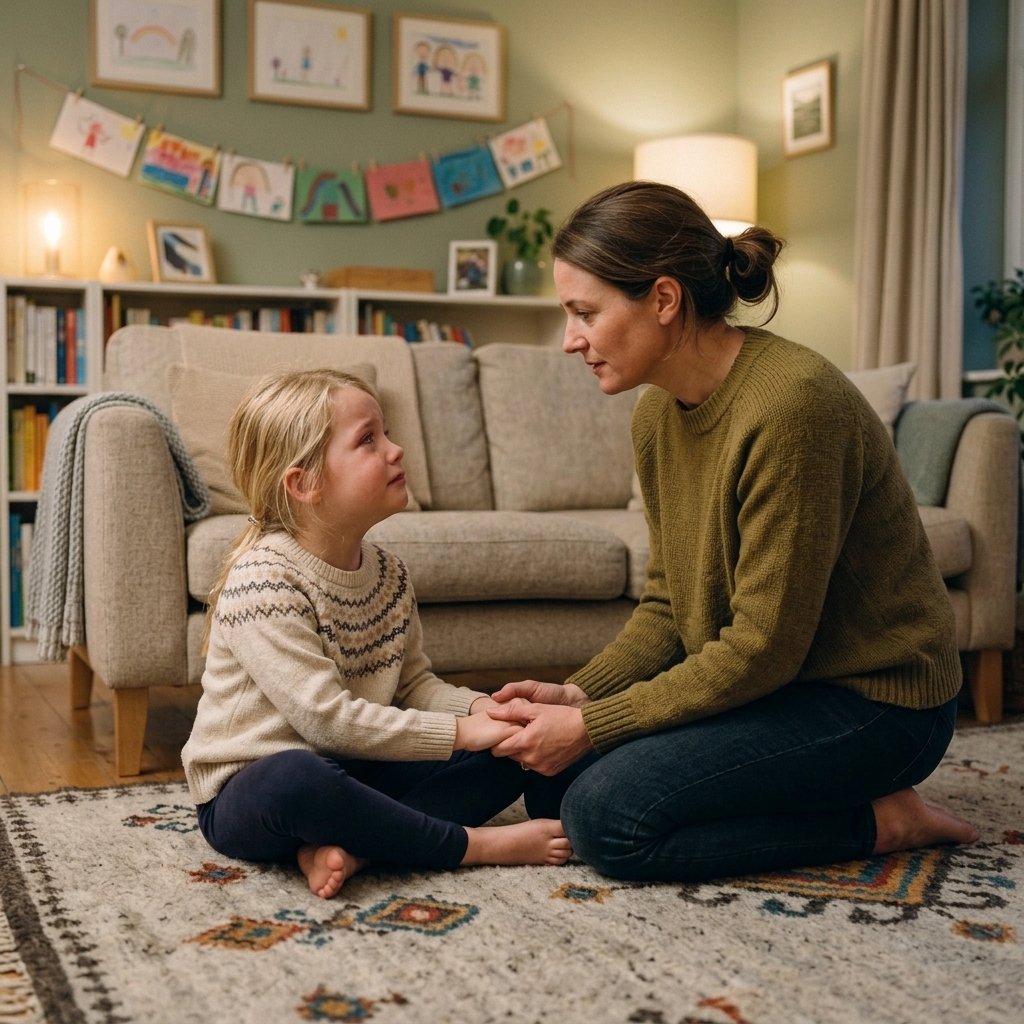 Acknowledge before you reassure, that moment of being seen is what teaches them that emotions are survivable.
When to take a closer look
Frequent crying is usually developmental and eases with time. But it's worth talking with someone who can see the full picture if your child's crying seems driven by constant worry, if they cry about things that might happen rather than things that did, or if the tears come with withdrawal, changes in sleep, or physical complaints like stomachaches. Those patterns can point to anxiety, and it's better to ask early than to wait.
Is Your Kid's Screen Time Active or Passive?
Most screens capture a kid's attention without checking their understanding. Take our 2-minute diagnostic quiz to evaluate your kid's digital patterns, identify autoplay traps, and receive actionable insights to maximize active learning.
Start Screen Time & AI QuizFOR PARENTS
Magical Moments on Aiino lets you create stories where your child feels seen.
Children who feel seen at home are better equipped everywhere else. Aiino's Magical Moments feature lets you create personalized stories for your child, ones where they are seen, valued, and capable. At a stage where emotional security is everything, a story from a parent that reflects a child's inner world back to them is one of the most powerful gifts there is. Built for ages 3 to 9. Zero ads. Zero tracking.
Research Citations
- [1]The brain systems that let a person pause and moderate a reaction keep developing across early and middle childhood, so young children feel emotions at full force before the 'brake' is ready (Geeraerts et al., Child Development, 2021). View source →
- [2]High sensitivity is a real temperament trait, and sensitive children are shaped especially strongly by their environment, struggling more under harsh responses but benefiting more from warm, supportive ones (Lionetti et al., Frontiers in Psychology, 2024). View source →
- [3]When a warm adult meets a child's big feeling and helps them settle, that co-regulation teaches the child that emotions are survivable and builds their own capacity to recover (Lobo & Lunkenheimer, Developmental Psychology, 2020). View source →