When a child seems angry all the time, the anger is almost never the whole story. Anger is the feeling kids are most comfortable showing, so it often sits on top of something harder they can't name, worry, a sense of powerlessness, sensory overwhelm, or a basic unmet need like sleep, food, or connection. That's why consequences alone rarely fix constant anger: they treat the surface, not the root. The move that works is to get curious before you get corrective. At a calm moment, gently wonder out loud what might be underneath, and then listen. When you find and meet the real need, the anger usually starts to ease on its own.
Every day feels like a battle. Everything is a fight. Your child snaps at you, argues with everything you say, and walks around with a hair-trigger temper that goes off at the smallest thing. You're exhausted. And you're worried.
Here's the first thing to know: anger in children is almost never just anger. It's almost always something else wearing anger like a coat.
Why anger is the emotion kids show most
Children learn early that anger is an acceptable feeling to show, more acceptable, at least, than fear, sadness, or feeling lost. So when something harder is happening underneath, anger often becomes the face of it. Anger also feels powerful, and the softer feelings don't. For a child who feels overwhelmed, feeling powerful for a moment, even through an outburst, can feel like the only option they have.
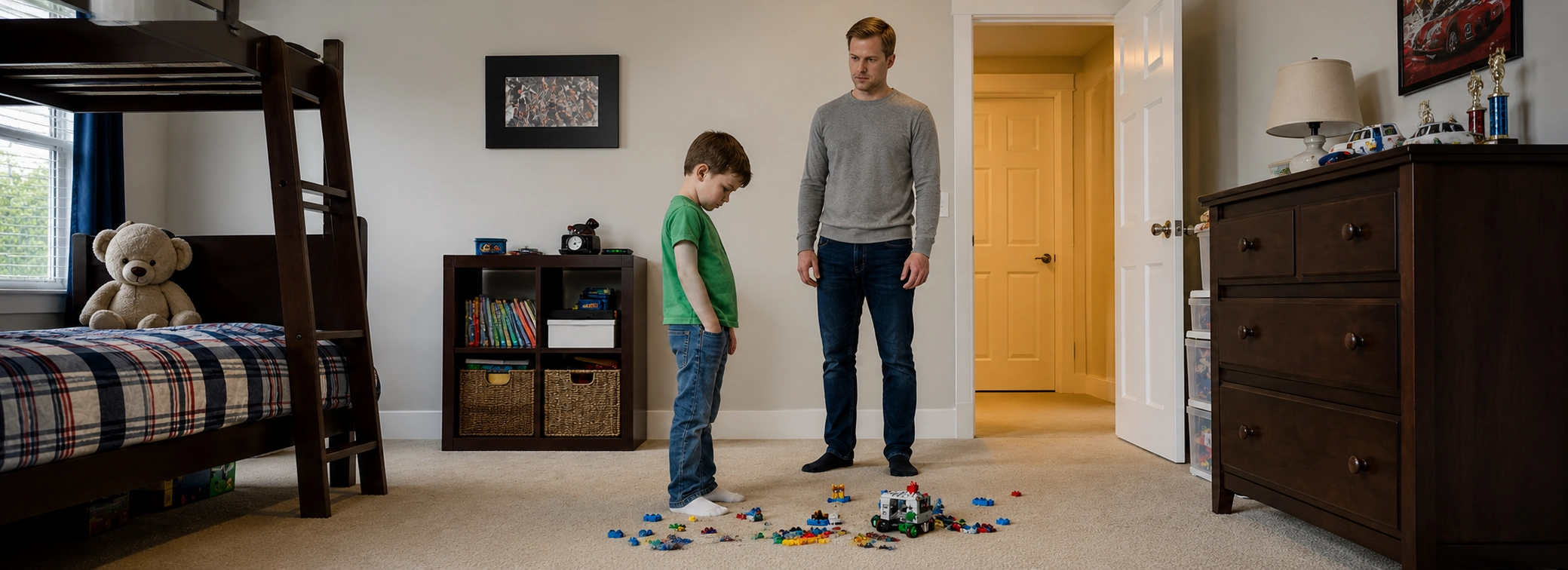
When a child is angry all the time, the question isn't "what's wrong with them?" It's "what are they carrying that they don't have words for?"
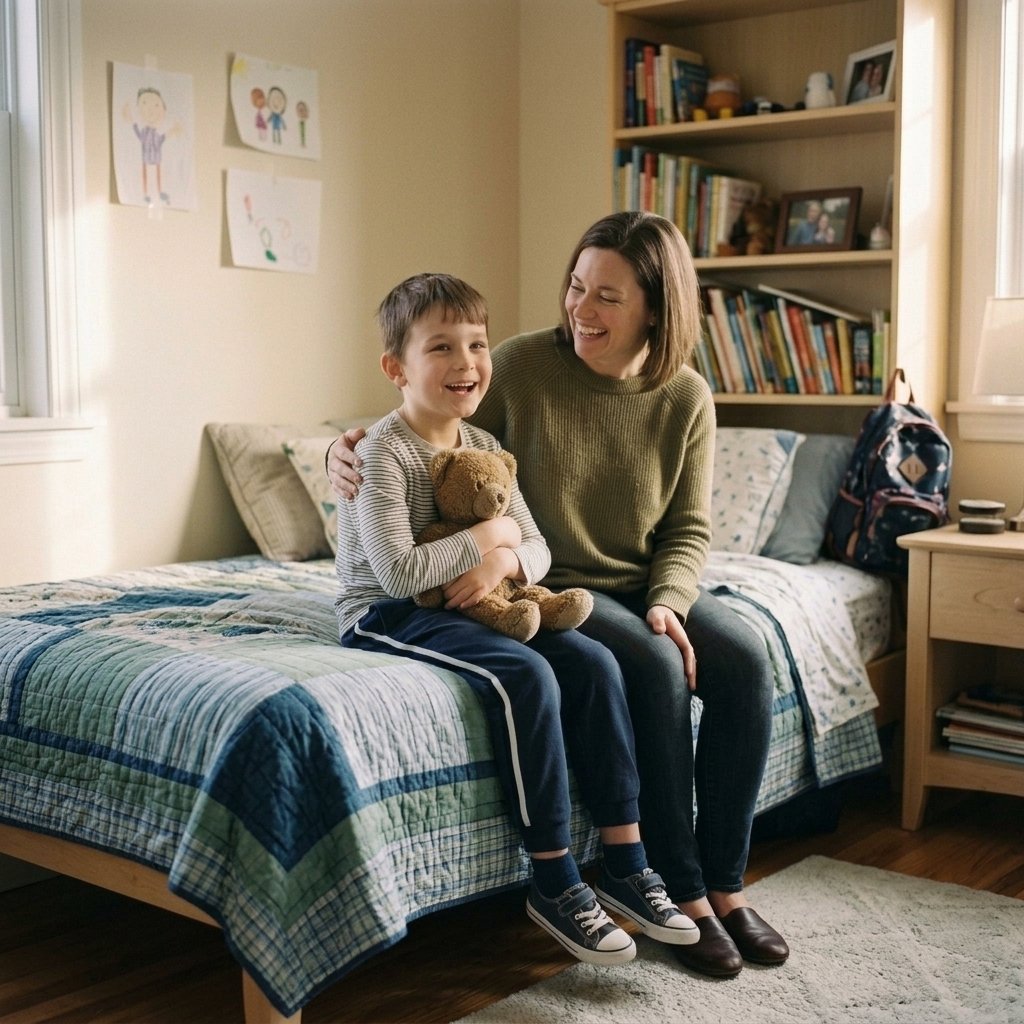 What looks like constant anger often covers worry, powerlessness, or overwhelm the child can't yet name.
The harder feelings anger often covers
The child who snaps at everyone might be anxious about something they can't name. The one who argues constantly might feel deeply out of control in some part of their life. The one who seems permanently furious might actually be sad. In fact, irritability is one of the most common ways that worry and low mood show up in kids, the same crankiness can be the surface of very different feelings underneath.
The most common roots of constant anger
**Anxiety.** Children who are worried or frightened often look irritable and reactive rather than scared. The anger is protective, it keeps people at a distance when closeness feels unsafe. **Feeling powerless.** Children who feel like nothing in their life is in their control often try to grab control through defiance and anger. The argument becomes the one place they feel they have a say. **Sensory overload.** For some children, the world simply comes in too loud, too bright, too much. Constant overwhelm produces constant irritability, and it's easily misread as a bad attitude. **Unmet needs.** Hunger, tiredness, and a lack of connection are three of the fastest routes to an angry child. Poor sleep in particular is a powerful driver: research finds it reliably worsens mood and makes feelings harder to manage, with the effect being especially strong for younger kids.
A MOMENT YOU MIGHT RECOGNIZE
Your eight-year-old has been snapping at everyone for two weeks. School seems fine. Home seems fine. But something is off and you can't put your finger on it. Then one night, getting ready for bed, they start crying about something that happened with a friend a month ago. The anger was grief, waiting until it was safe enough to come out.
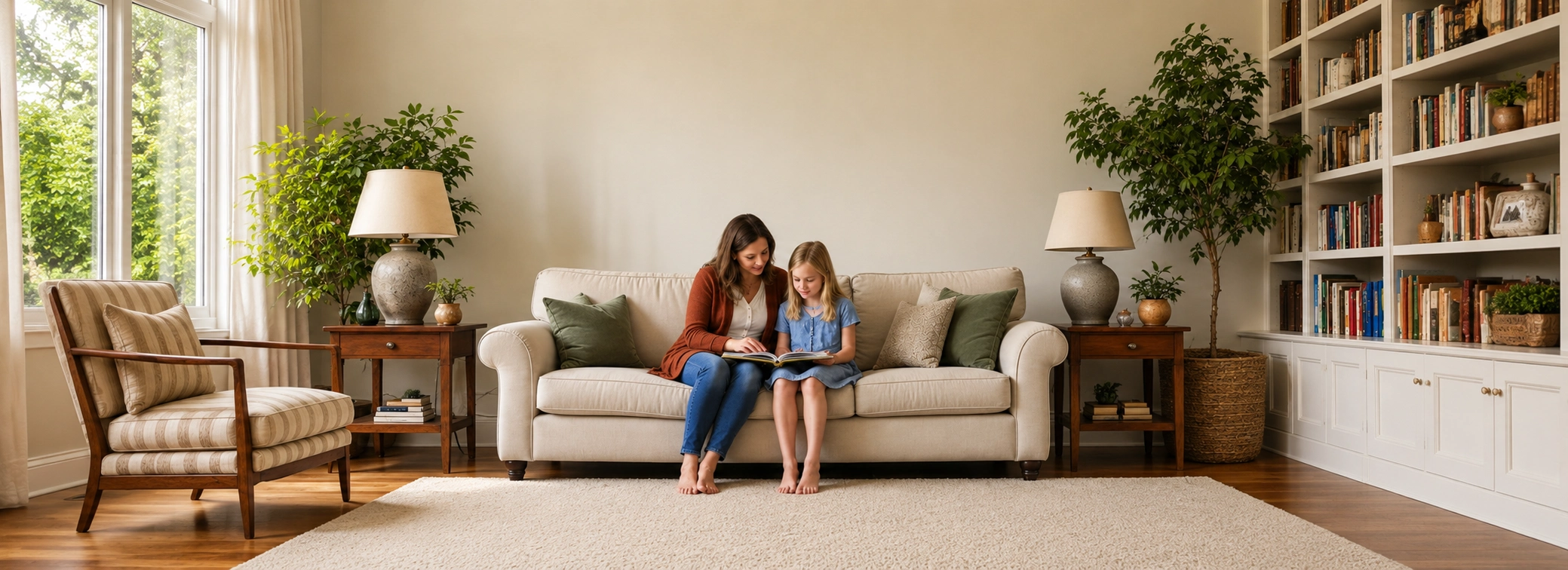
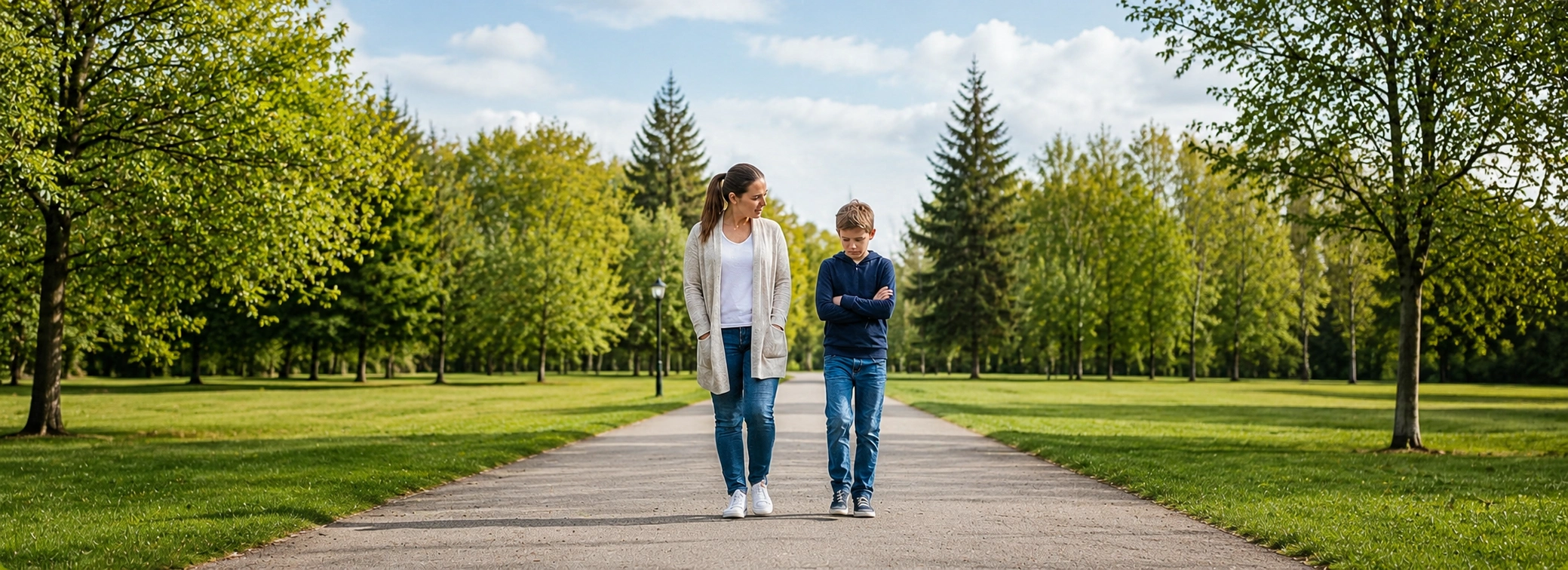
 Ask open, low-pressure questions at calm moments, a drive, a walk, or bedtime, and then wait.
Why consequences alone don't reach it
When anger is the surface of something deeper, punishing the anger doesn't touch what's driving it. You can suppress the outburst for a moment, but the worry, the powerlessness, or the exhaustion underneath is still there, so the anger comes back. Consequences have their place, but on their own they treat the smoke and ignore the fire.
What actually helps
Get curious before you get corrective. When a child is chronically angry, the most useful thing you can do is gently look for the root. Ask open, low-pressure questions at calm moments, not right after an explosion, but during a walk, at bedtime, or in the car. "You've seemed really wound up lately. Is something on your mind?" And then wait. Don't rush to fill the silence.
Name the feeling underneath when you spot it. "I wonder if some of that anger is actually worry." You might be wrong. But you might open a door. Staying calm yourself matters too, an overwhelmed child settles by borrowing a steady adult's calm, not by being met with more heat.
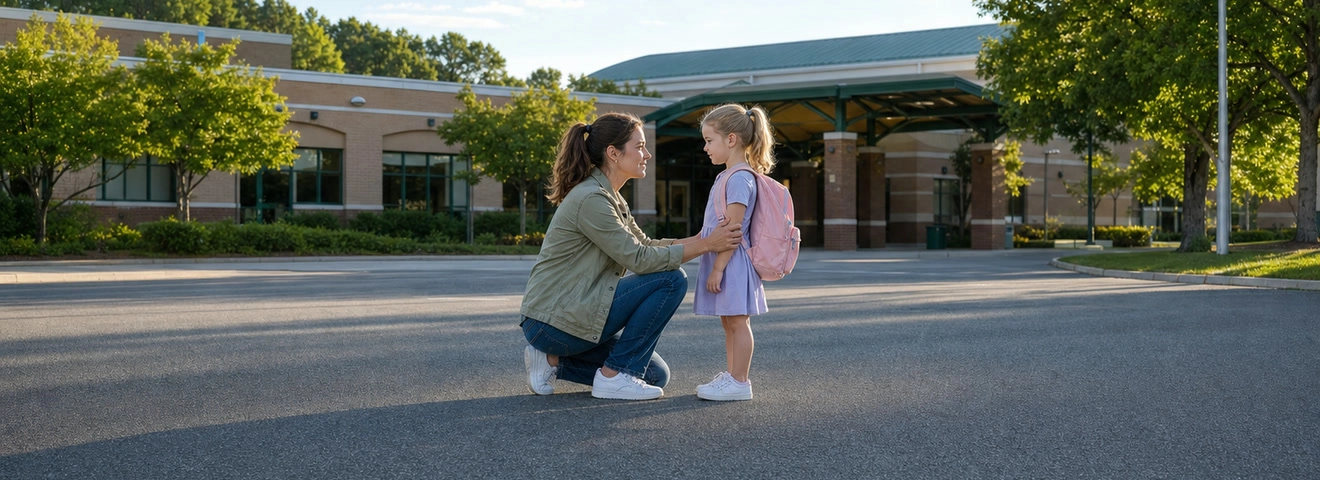
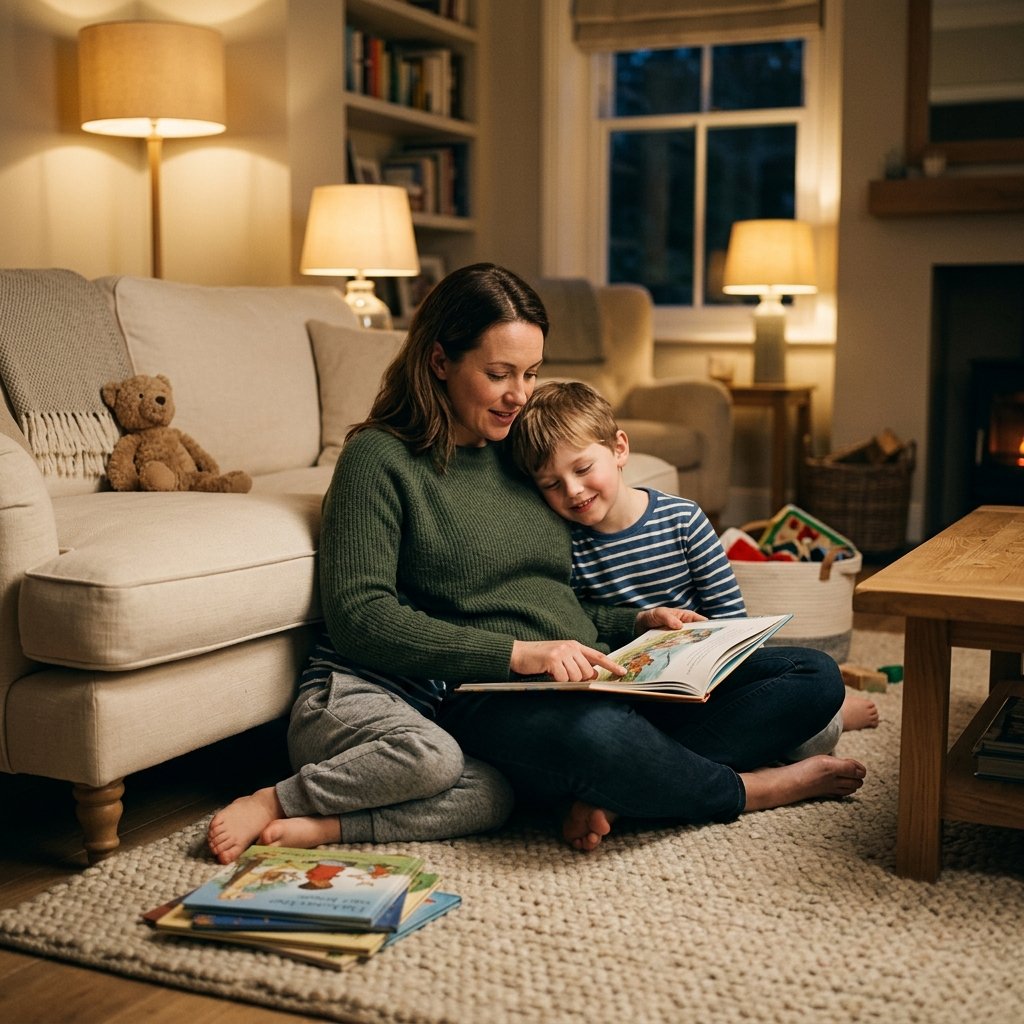 A steady adult who stays curious helps a dysregulated child return to baseline, this reaches the root in a way consequences alone cannot.
When constant anger is worth a closer look
Most of the time, once you find and meet the real need, the anger starts to ease. But it's worth talking with your pediatrician or a child psychologist if your child seems angry or unhappy most of the time, across settings, for weeks; if the aggression is hard to keep everyone safe through; if the anger comes with changes in sleep, appetite, or a pulling-away from people; if you hear talk of hating themselves; or if your gut simply tells you something deeper is going on. Reaching out early isn't overreacting, it brings support and a clearer picture.
Is Your Kid's Screen Time Active or Passive?
Most screens capture a kid's attention without checking their understanding. Take our 2-minute diagnostic quiz to evaluate your kid's digital patterns, identify autoplay traps, and receive actionable insights to maximize active learning.
Start Screen Time & AI QuizFOR PARENTS
Interactive Stories on Aiino help children name what's under the anger.
Children who see their feelings reflected in stories find it easier to name them in real life. Aiino's Interactive Stories are built around characters who navigate big, complicated emotions, including anger, in age-appropriate ways. When kids meet their own feelings safely inside a story, they build the words to express them instead of acting them out. Built for ages 3 to 9. Zero ads. Zero tracking.
Research Citations
- [1]Irritability is one of the most transdiagnostic symptoms in childhood, chronic anger often reflects underlying anxiety, low mood, or other distress rather than being a problem in itself (Klein et al., Current Directions in Psychological Science, 2021). View source →
- [2]Sleep loss reliably worsens mood and weakens emotion regulation, and the effect on negative mood is especially strong for younger people, which is why an overtired child is so easily an angry one (Tomaso, Johnson & Nelson, Sleep, 2021). View source →
- [3]A calm adult who stays steady and curious helps a dysregulated child return to baseline; this co-regulation reaches the root in a way that consequences alone cannot (Lobo & Lunkenheimer, Developmental Psychology, 2020). View source →